

Text size


Greyscale


High contrast


Sepia contrast

You're more ready than you think

020 8496 3437

Understanding the Assessment process

After your initial home visit, and once both you and the fostering team agree you’d like to move forward in your fostering journey, you’ll begin the full fostering assessment, known as a Form F. This helps everyone understand whether fostering is right for you, and what support you may need to care safely for a child.

Once you apply, you’ll be matched with a supervising social worker. They’ll guide you through each step, answer your questions, and work alongside you to complete the assessment.  The process is detailed because fostering is an important responsibility. Most assessments take up to six months, but you’ll be supported throughout.


What the Assessment involves

The assessment brings together information about you, your household, and your ability to care for children who may have experienced trauma or disruption. It follows national guidance and is used to decide whether fostering is right for you and your family.

You’ll have a series of relaxed conversations with your social worker, usually in your home. These are opportunities to talk openly about your life, relationships, experiences, and what fostering might look like for you.

Honesty is important. Sharing information early helps your assessor understand you fully and put the right support in place.

Key things to think about when getting ready

a couple of foster carers looking at a laptop with their looked after young person

Your family and household

Fostering affects everyone in the home, so it’s important that those close to you are involved and supportive. This includes:

  • Your partner, if you have one
  • Children living at home
  • Other adults in the household
  • Close family members who may offer support

Your social worker will explain who they need to speak to and why, so there are no surprises.

Background and safety checks

To keep children safe, routine checks are completed for you and other adults connected to your household. These include:

  • Enhanced DBS checks for all adults aged 18+ in the home
  • Local authority checks covering previous addresses and any children’s services involvement
  • Medical checks, usually through your GP
  • References, including personal and professional referees
  • Checks for other household members, regular visitors, or non‑resident partners where relevant

These checks are standard and confidential. Having a past issue does not automatically mean you can’t foster. Your social worker will talk everything through with you.

a bookshelf full of plants, books and children drawings.

Your home

You don’t need a perfect home, but it must be safe and suitable for a child. As part of the assessment, your social worker will look at:

  • A spare bedroom for a child
  • Basic safety features, such as smoke alarms
  • Clean, warm, and well‑maintained rooms
  • Secure storage for medicines, alcohol, and hazardous items
  • Outdoor safety, including fences, sheds, and play equipment
  • Pets and general household safety

If anything needs improving, you’ll usually have time to sort this before approval.

Your skills and support network

Foster carers work closely with children, social workers, schools, and birth families. During the assessment, you’ll be asked to show that you can:

  • Communicate clearly and work as part of a team
  • Reflect on your own experiences and relationships
  • Manage stress and ask for help when needed
  • Advocate for children and keep information confidential
  • Draw on family, friends, or other support

You’ll be encouraged to give real‑life examples to show how you would care for a child day to day.

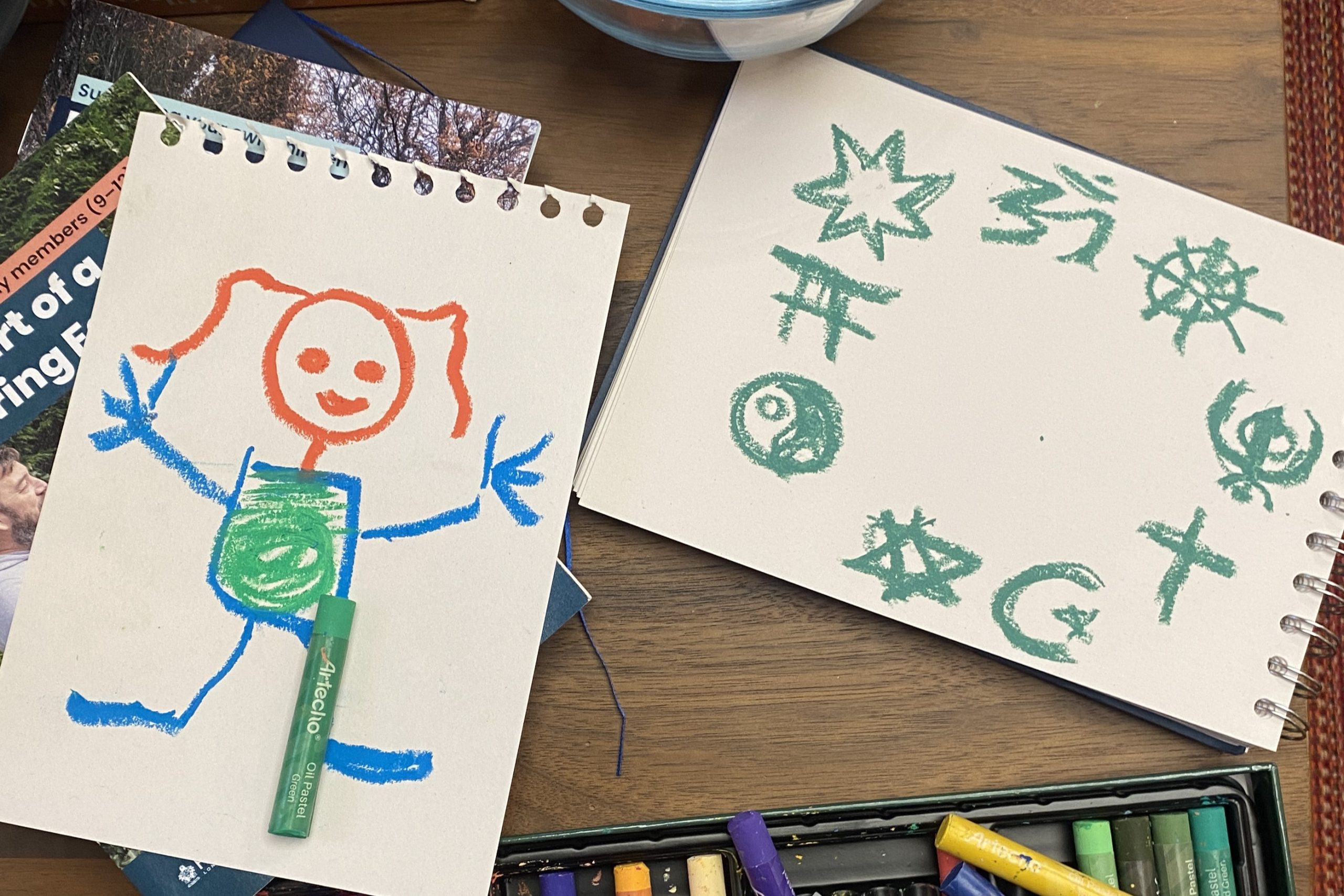
a drawing of a stylised little girl and one showing different faith symbols

Valuing diversity

Children in care come from many different backgrounds. Foster carers are expected to be open, respectful, and inclusive. This includes being able to:

  • Support a child’s identity, culture, and beliefs
  • Challenge discrimination
  • Talk positively about different family structures
  • Support disabled children or those with additional needs
  • Work respectfully with birth families

Support from experienced foster carer Buddies

We know how important it is for you to feel supported throughout this journey.  With your consent, we can also link you with one of our experienced foster carers who volunteer as buddies. These carers understand the assessment journey first‑hand and can offer practical insight, encouragement, and a listening ear whenever you need it.  If you feel that having a foster carer buddy would be helpful at any stage, just let your assessor, or a member of the Local Community Fostering team know, and we’ll be happy to arrange it.

To find out about how your Council supports foster carers, click the logos below

We’re the choice for people from all backgrounds—single, coupled up, LGBTQ+, renting, or owning—who want to open their hearts and homes to local children and become part of a loved local community.

Fill out this short form and one of our team will reach out for an open and honest chat. Or feel free to call us on 020 8496 3437 or email hello@localcommunityfostering.co.uk.

You’re more ready than you think.

Fostering Enquiry New

Your Details*

Are you happy to receive regular fostering news from us?